How LEED v5 is Bringing Structural Engineers Into Sustainability Conversations Earlier Than Ever
When the U.S. Green Building Council released LEED v5 in 2025, the update signaled more than a new version of a familiar certification system. It reflected a broader shift happening across the design and construction industry.
For years, conversations around sustainable design have focused heavily on energy efficiency, water conservation, and indoor environmental quality. While those topics remain important, LEED v5 places greater emphasis on carbon reduction, resilience, and long-term building performance.
For architects and engineers, the update is a reminder that sustainability is becoming more integrated into every design decision, from material selection to building systems and structural design.
Here are five topics project teams should be discussing as LEED v5 continues to influence the industry.
What's New in LEED v5?
Previous versions of LEED rewarded projects for improving operational performance through strategies such as efficient HVAC systems, renewable energy, water conservation, and indoor environmental quality.
Those priorities remain, but LEED v5 introduces a stronger focus on three broader themes:
Decarbonization
Reducing both operational carbon and embodied carbon throughout a building’s lifecycle.
Quality of Life
Designing healthier, more equitable, and resilient communities.
Ecological Conservation
Protecting natural systems while reducing resource consumption throughout construction and operation.
For project teams, this means sustainability is no longer measured only by how efficiently a building operates. It’s increasingly evaluated by how responsibly it’s designed and built in the first place.
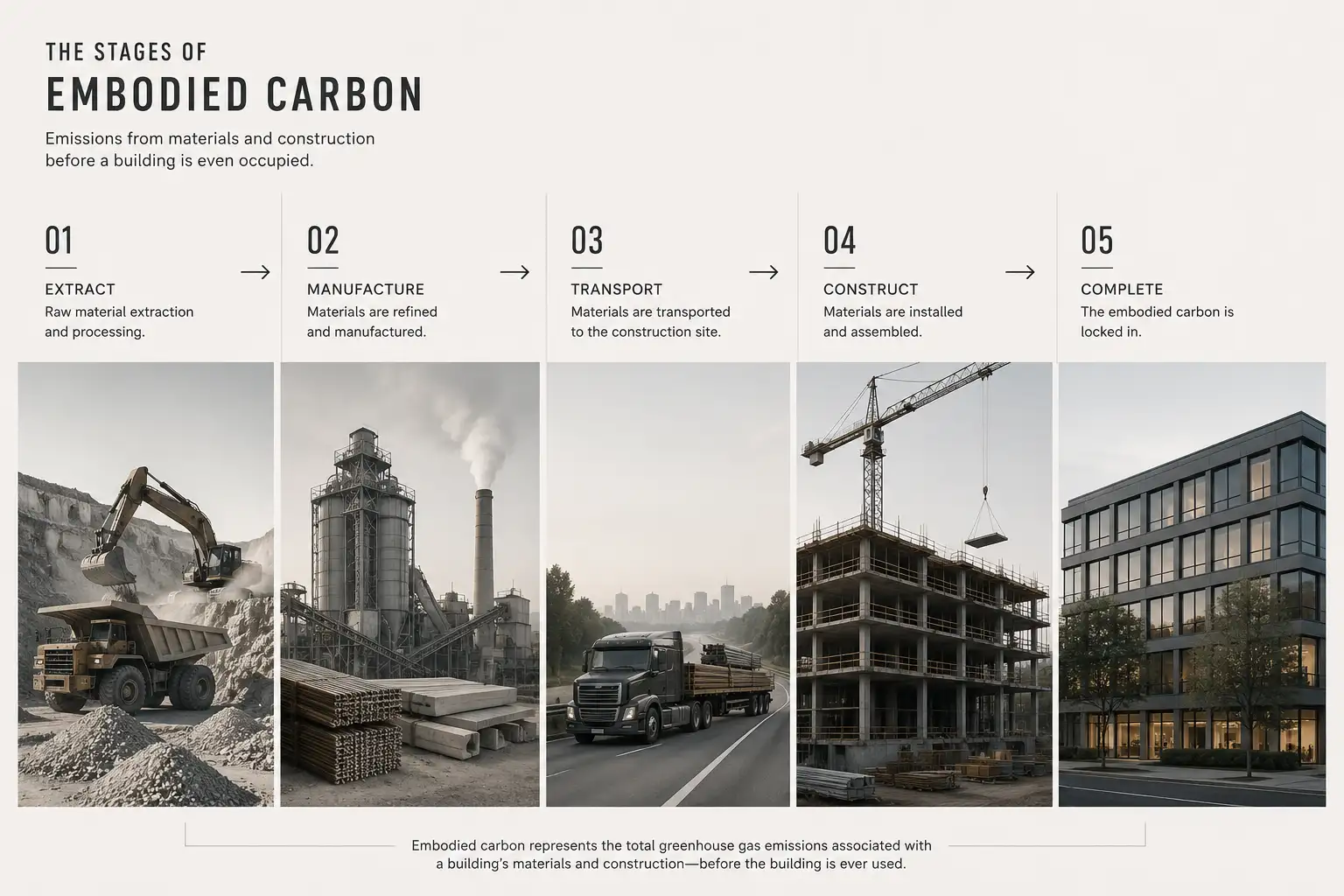
1. Embodied Carbon Is No Longer a Niche Conversation
Much of the industry’s sustainability efforts have traditionally focused on operational carbon, or the emissions generated while a building is in use. LEED v5 expands the conversation by placing greater attention on embodied carbon.
Embodied carbon includes the emissions associated with extracting, manufacturing, transporting, and constructing building materials. Because these emissions occur before a building is even occupied, they represent an important opportunity for early design decisions to make a measurable impact.
As owners and agencies place greater emphasis on carbon reduction, project teams are increasingly evaluating materials and systems through the lens of their lifecycle impact.
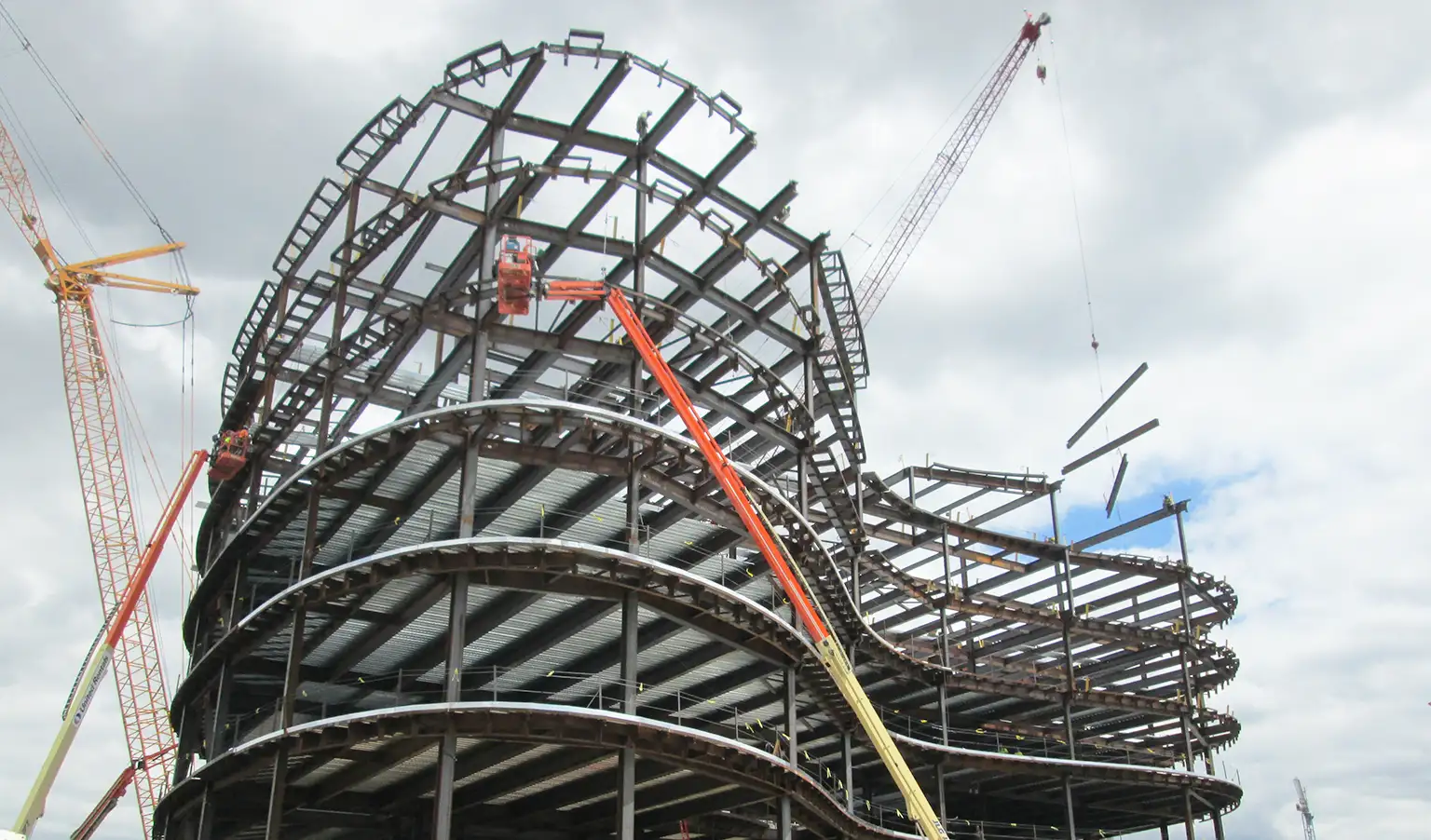
2. Structural Systems Have a Bigger Role in Sustainability
When people think about green buildings, structural engineering is not always the first discipline that comes to mind. LEED v5 helps highlight just how influential structural decisions can be.
Material quantities, structural efficiency, adaptive reuse strategies, and the selection of structural systems all contribute to a project’s embodied carbon footprint. Whether a project utilizes steel, concrete, timber, or a combination of materials, those decisions can affect sustainability outcomes long before construction begins.
The most sustainable solution is not always adding more technology. Sometimes it is simply designing smarter and using materials more efficiently.
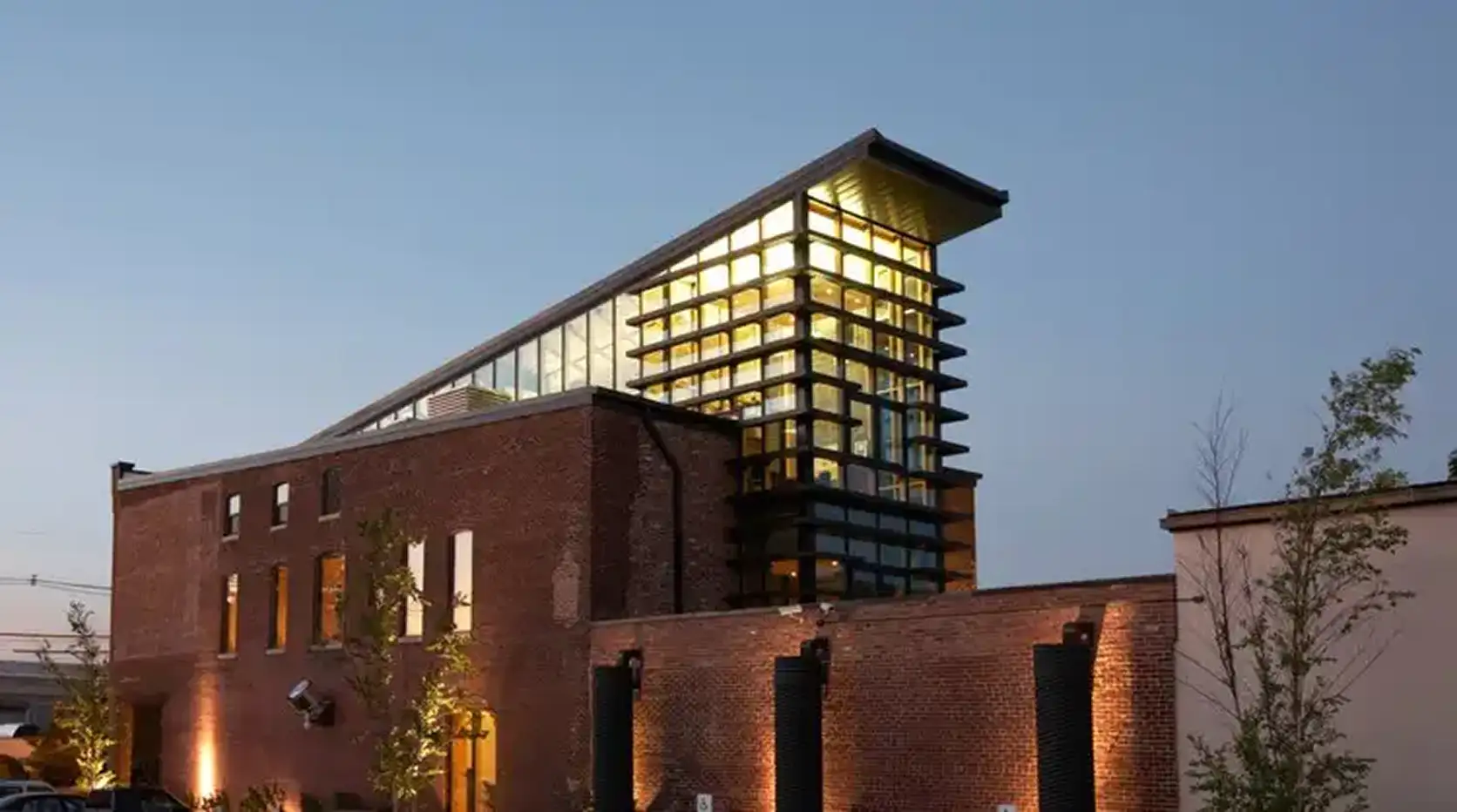
3. Existing Building Are Becoming More Valuable
One of the most effective ways to reduce embodied carbon is to preserve and reuse what already exists.
Across the country, owners are evaluating whether renovation, modernization, or adaptive reuse can extend the life of existing facilities rather than replacing them entirely. LEED v5 reinforces this approach by recognizing the environmental value of retaining existing structures and reducing the need for new materials.
For many public-sector projects, this aligns with another important goal: maximizing the value of existing investments while improving performance for future generations.
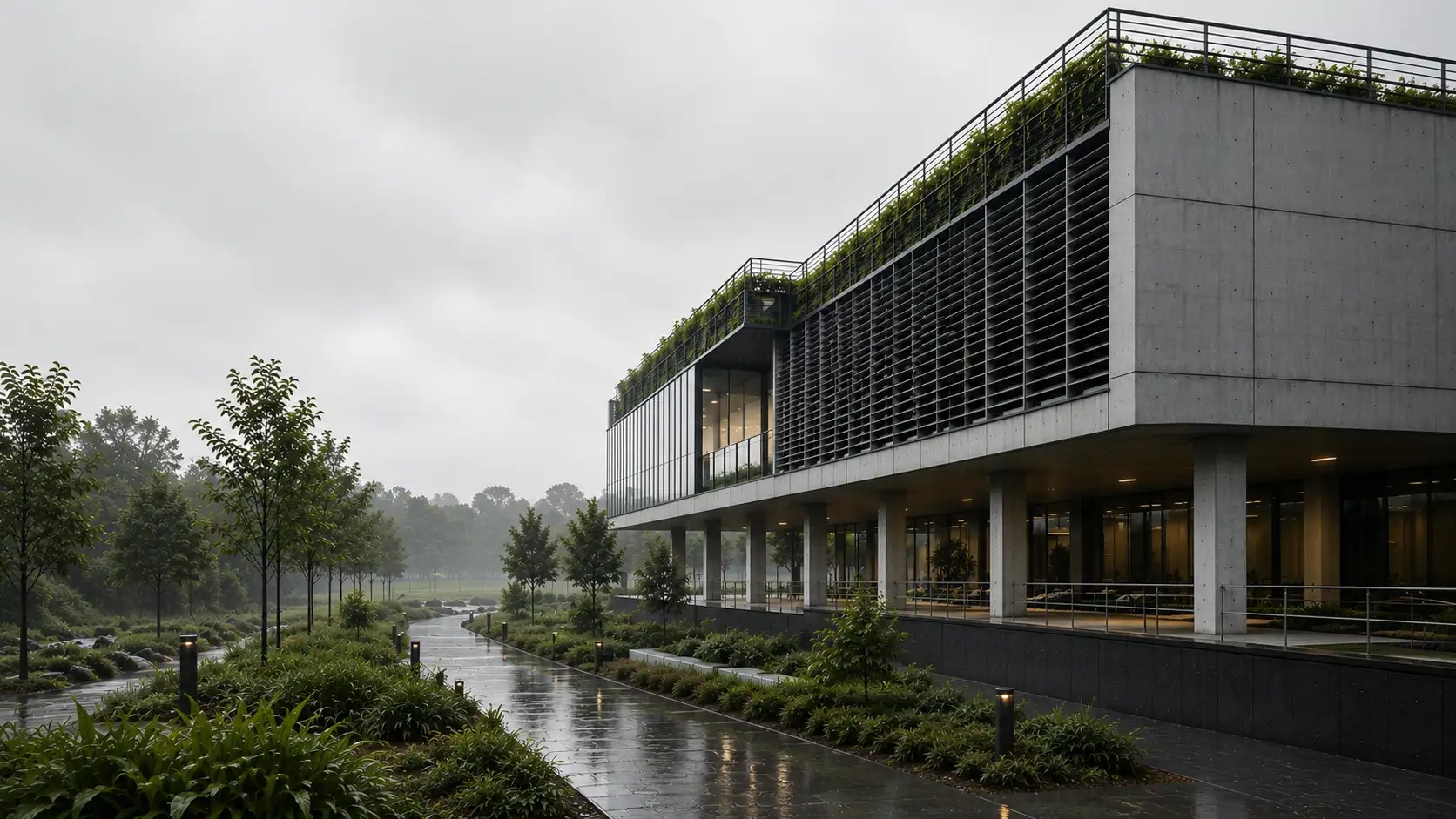
4. Resilience Is Now Part of Sustainability
A building cannot be considered sustainable if it is unable to perform under future environmental conditions.
LEED v5 places greater focus on resilience, encouraging project teams to evaluate risks such as flooding, extreme heat, severe weather, and other climate-related challenges. This reflects a growing understanding that sustainability is not only about reducing environmental impact, but also about designing buildings that remain functional and durable over time.
For architects and engineers, resilience considerations may influence everything from site planning and building envelopes to structural systems and infrastructure design.

5. Sustainability Starts Earlier Than Ever
Perhaps the biggest takeaway from LEED v5 is that sustainability can no longer be treated as a checklist completed late in design.
The most impactful decisions are often made during planning and conceptual design. Material selection, building orientation, structural strategies, system coordination, and long-term performance goals all benefit from early collaboration between architects, engineers, owners, and contractors.
Projects that integrate sustainability discussions from the beginning are often better positioned to achieve both environmental and project goals.
The Bigger Shift
LEED v5 reflects a broader shift taking place across the design and construction industry.
Sustainability is no longer viewed as an optional feature or a checklist completed at the end of design. It’s becoming a performance objective considered alongside cost, schedule, resilience, and constructability from the very beginning of a project.
For structural engineers, that doesn’t mean taking on the role of a sustainability consultant. It means recognizing that structural decisions — from framing efficiency and material selection to adaptive reuse and coordination with architects — can influence a building’s environmental impact in meaningful ways.
As owners continue prioritizing lower-carbon buildings and more resilient communities, structural engineers will increasingly find themselves contributing to conversations that extend beyond structural performance alone.
At LT, we believe the best projects are the result of integrated thinking. When architects, engineers, and owners collaborate early, sustainability becomes more than a certification goal — it becomes part of the way better buildings are designed.
share this story:
